A trip to the grocery store or a walk through a parking lot should not end with you in the emergency room. But when a property owner ignores a dangerous condition, a routine errand can turn into a serious injury in seconds.
From the shops around Armory Square and Destiny USA to the sidewalks near Syracuse University, property owners and managers across Onondaga County have a legal duty to keep their premises reasonably safe.
If you were hurt because someone failed to fix or warn about a hazard, a Syracuse premises liability lawyer can investigate what happened and identify who is responsible. At Catalano Law, our goal is to get you the money you deserve, and you pay nothing unless we win your case under our No Fee Guarantee®. Contact our team to schedule a consultation to talk through your options at no cost.
What Does Premises Liability Mean in New York?
Premises liability is the legal rule that holds property owners and occupiers responsible when an unsafe condition on their property injures someone. The core idea is straightforward. If an owner knew or should have known about a hazard, had a reasonable chance to fix it or warn people, and failed to do either, they can be held liable for the injuries that follow.
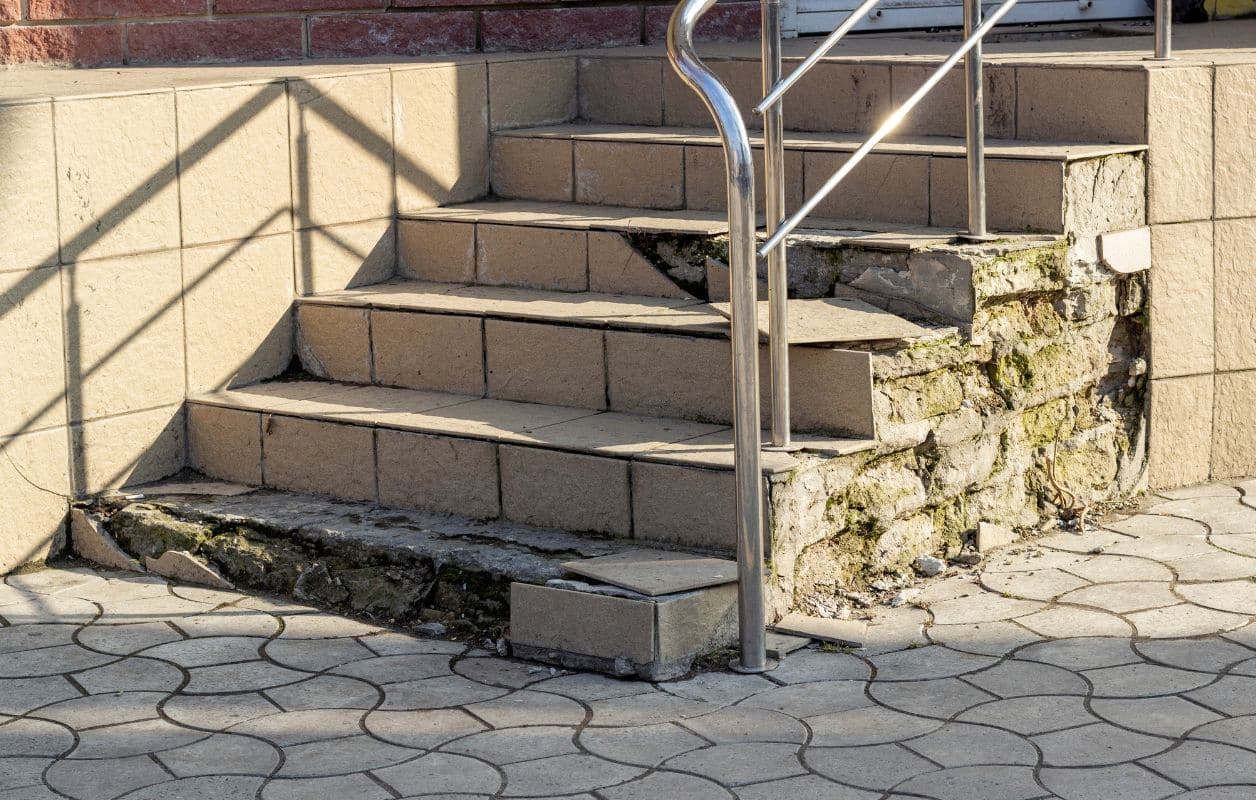
This applies almost anywhere you have a right to be. A wet floor in a store, a broken stair, an unlit stairwell, a cracked parking lot, or an icy walkway can all support a claim. The duty extends to private homeowners, businesses, and even government entities that manage public buildings and parks.
Not every injury on someone else’s property leads to a valid claim. The question is whether the owner acted reasonably, which is why these cases turn on what the owner knew, when they knew it, and what they did about it.
Common Premises Liability Cases We Handle in Syracuse
Premises liability covers a wide range of accidents. These are some of the most common types we see across Central New York:
- Slip-and-Fall Accidents: Wet floors, uneven surfaces, and snow and ice cause most slip-and-fall injuries.
- Negligent Security: When an owner fails to provide reasonable security in a high-risk area, visitors can be hurt in assaults or robberies.
- Swimming Pool Accidents: Pool owners must maintain proper fencing and supervision to lower the risk of a swimming pool accident.
- Dog Bites and Animal Attacks: An owner who fails to control a dangerous animal may be liable when the animal bites someone.
- Falling Objects and Structural Failures: Merchandise falling from high shelves, collapsing railings, or failing ceilings can cause severe injuries.
- Elevator and Escalator Accidents: Poorly maintained equipment in stores, offices, and apartment buildings can trap or throw riders.
Who Is Responsible? Standards of Care for Property Owners
New York property owners owe every visitor the same basic duty: reasonable care under the circumstances. The Court of Appeals set that single standard in Basso v. Miller, retiring the older invitee, licensee, and trespasser categories that once fixed a separate duty for each.
Why you were on the property still matters because how foreseeable your presence was can be the primary factor shaping what is deemed reasonable.
That’s why the older categories still describe how courts weigh the question:
- Invitees: Customers and others invited onto a property for the owner’s benefit are the most clearly foreseeable visitors. Reasonable care usually means inspecting for hazards and either fixing them or placing warning signs.
- Licensees: Social guests and others allowed on the property for their own reasons are generally owed a warning about known, non-obvious dangers.
- Trespassers: Someone on the property without permission is the least foreseeable visitor, so what reasonable care asks of an owner is correspondingly narrow.
Children are treated with a different expected level of care. New York does not apply attractive nuisance as a separate doctrine, but when something likely to draw children sits unsecured, such as a pool or construction equipment, their presence becomes foreseeable, and an owner can be liable for the injuries that follow.
What reasonable care demands also rises with the nature of the property, so a business is generally expected to inspect more thoroughly than a homeowner.
How Is Fault Proven in a Premises Liability Case?
Proving a premises liability claim comes down to four elements: the owner owed you a duty of care, they breached that duty, the breach caused your injury, and you suffered real damages.
The breach is usually where these cases are won or lost, and it almost always turns on one question: notice. Notice means the owner knew or should have known about the hazard.
New York recognizes two kinds of notice:
- Actual Notice: The owner directly knew about the danger, for example because an employee saw the spill or a tenant reported the broken step.
- Constructive Notice: The hazard existed long enough that a reasonable owner should have found and fixed it during normal inspections. A puddle that sat for hours is very different from one that appeared seconds before you fell.
Insurance companies fight hard on notice. They may argue the hazard was open and obvious, that it appeared too recently for anyone to catch, or that you were not paying attention. An experienced premises liability lawyer counters these arguments with evidence that shows how long the danger existed and what the owner failed to do about it.
Evidence That Strengthens a Premises Liability Claim
The strongest premises liability claims are built on evidence gathered quickly, before it disappears. Conditions get cleaned up, footage gets recorded over, and memories fade, so the sooner an attorney starts, the more can be preserved.
Important evidence in a premises liability claim includes:
- Surveillance Footage: Many stores tape over video within days. A lawyer can send a preservation letter demanding the owner keep it.
- Incident and Maintenance Records: Store reports, cleaning logs, and repair histories can show whether the owner knew about the problem.
- Photos of the Scene: Pictures of the hazard, especially when they’re taken before it is fixed, are powerful evidence for a premises liability claim. If you can safely photograph where you fell, do it.
- Witness Statements: People who saw the fall or noticed the hazard earlier can establish how long it existed.
- Prior Complaints: A history of similar reports can show the owner was on notice and did nothing.
- Medical Records: Prompt treatment links your injuries directly to the accident and documents their severity.
Injuries Common in Premises Liability Accidents
Premises injuries can be far more serious than people expect, especially for older adults, who face a higher risk of lasting harm.
These accidents frequently cause injuries such as:
- Traumatic Brain Injuries: A hard fall can cause a concussion or a more serious traumatic brain injury that affects memory, mood, and daily function.
- Spinal Cord Injuries: Damage to the spine can lead to chronic pain or partial paralysis.
- Broken Bones and Fractures: Hip, wrist, and ankle fractures are common in falls and often require surgery.
- Soft Tissue Injuries: Torn ligaments, sprains, and deep bruising can take months to heal.
- Cuts, Lacerations, and Burns: Sharp edges, broken glass, and unsafe equipment can leave permanent scarring.
In the most severe cases, a premises accident can be fatal, which raises the possibility of a wrongful death claim for the family.
Compensation You May Be Entitled To
If someone else’s negligence caused your injury, you may be entitled to compensation for both the financial and the personal toll. New York divides these damages into two categories.
Economic damages cover measurable financial losses, including:
- Medical Expenses: Current and future costs, including surgery, rehabilitation, and medication.
- Lost Income: Wages you missed and reduced future earning ability.
- Property Damage: Personal belongings damaged in the incident.
Non-economic damages cover the human cost of the injury, including:
- Pain and Suffering: Physical pain and its ongoing impact.
- Emotional Distress: Anxiety, depression, and other psychological effects.
- Loss of Enjoyment of Life: No longer doing the activities you love.
- Loss of Consortium: Strain on your closest relationships.
- Permanent Disability: Lasting impairment or disfigurement.
New York also follows a pure comparative fault rule for premises liability claims under CPLR § 1411. Even if you were partly at fault, you can still recover, with your award reduced by your share.
If you are found 30% at fault, for example, you may still recover 70% of your damages. An experienced premises liability lawyer can help you pursue maximum compensation, even if you’re partially at fault.
Deadlines to File a Premises Liability Claim in New York
New York gives injured people a limited window to act, and missing it usually ends the case. For most premises liability claims, the statute of limitations is three years from the date of the injury under CPLR § 214.
Two exceptions carry much shorter deadlines:
- Claims Against a Government Entity: If you were hurt on city or county property, such as a public building, sidewalk, or park, you generally must file a formal Notice of Claim within 90 days under General Municipal Law § 50-e. You must usually file the lawsuit within one year and 90 days. Claims against New York State run on a separate track in the Court of Claims. These deadlines are strict and easy to miss without legal help.
- Wrongful Death: If a premises accident takes a loved one’s life, the personal representative of the estate generally has two years from the date of death to file a wrongful death claim under EPTL § 5-4.1.
Beyond the deadlines, acting quickly protects your case. Evidence is strongest right after the accident, and waiting gives the owner time to repair the hazard and the insurer time to build a defense.
How a Syracuse Premises Liability Lawyer Can Help
Every premises liability case is different, so we tailor our approach to yours. From the first conversation, you can expect clear communication and a team that treats you like a person, not a case number.
We begin most cases with a thorough investigation: interviewing witnesses, pulling maintenance and inspection records, requesting surveillance footage, and consulting property inspectors to reconstruct what went wrong. We also handle the insurance companies, who often move fast with a lowball offer before you understand what your claim is worth.
Catalano Law also maintains strong relationships with local healthcare providers. Whether you need emergency care, orthopedic treatment, or long-term rehabilitation, we can connect you with quality providers across Central New York, including Upstate University Hospital, Crouse Health, and St. Joseph’s Health, and work to help ensure your records are documented to support your claim.
With more than 50 years of combined experience and our No Fee Guarantee®, we charge you nothing unless we win your case.
Premises Hazards and Winter Weather in Syracuse
Syracuse is one of the snowiest cities in the country, with lake-effect snow off Lake Ontario dropping well over 100 inches in an average winter.
That makes snow and ice the single most common premises hazard in the area. Icy store entrances, unsalted parking lots at places like Destiny USA, and slick apartment walkways send people to the hospital every winter.
New York property owners have a real responsibility here. The City of Syracuse requires property owners to clear snow and ice from the sidewalks on their property, generally by 6 p.m. the day after a snowfall.
Beyond the public sidewalk, owners are responsible for the walkways, steps, entrances, and parking lots they control. When an owner ignores an obvious ice hazard and someone is hurt, that failure can support a premises liability claim.
Premises injuries also happen year-round in Syracuse’s busy commercial and residential spaces, from the shops on Marshall Street to grocery stores like Wegmans and the region’s many apartment complexes. If your case goes to court, most Onondaga County personal injury lawsuits are filed in State Supreme Court, the trial-level civil court for the county and part of New York’s 5th Judicial District.
Frequently Asked Questions
What Types of Injuries Fall Under Premises Liability?
Premises liability covers any injury caused by an unsafe property condition. Common examples include traumatic brain injuries, spinal cord injuries, broken bones, soft tissue damage, cuts and burns, and in the most serious cases, fatal injuries.
What Evidence Do I Need for a Premises Liability Case?
The most useful evidence includes photos of the hazard, surveillance footage, incident and maintenance reports, witness statements, and your medical records. Because much of it disappears quickly, photograph the scene if you can safely do so and contact a lawyer early, so they can demand that the owner preserve video and records.
How Is Fault Determined in a Premises Liability Case?
Fault turns on notice, meaning whether the owner knew or should have known about the hazard and failed to fix it or warn about it. If it existed long enough that a reasonable owner would have caught it during normal inspections, they can be held responsible.
Can I Still Recover if I Was Partly at Fault?
Yes. New York follows a pure comparative fault rule in premises liability cases, so you can recover compensation even if you were partly responsible for the accident. Your award is reduced by your percentage of fault. If you are found 25% at fault, you can still recover 75% of your damages.
How Long Do I Have to File a Premises Liability Claim in New York?
You generally have three years from the date of injury. The deadline is far shorter against a government entity, which can require a Notice of Claim within 90 days, and wrongful death claims must generally be filed within two years of death.
What if I Was Hurt on City or Government Property in Syracuse?
Claims against a government entity, such as the City of Syracuse or Onondaga County, follow special rules. You usually must file a Notice of Claim within 90 days of the injury, long before the standard three-year deadline, so talk to a lawyer right away.
Can I File a Claim if a Loved One Died on Unsafe Property?
Yes. The personal representative of the estate may bring a wrongful death claim on the family’s behalf to recover funeral costs, lost financial support, and other losses. These claims must generally be filed within two years of the date of death.
How Much Does It Cost to Hire a Premises Liability Lawyer?
At Catalano Law, you pay us nothing upfront. We work on a contingency basis under our No Fee Guarantee®, which means you pay no attorney fees unless we win your case. Your first consultation is always free.
Talk to a Syracuse Premises Liability Lawyer Today
An injury on someone else’s property can leave you facing medical bills and lost income through no fault of your own. You do not have to sort it out alone. A Syracuse premises liability lawyer at Catalano Law can investigate what happened, deal with the insurance company, and pursue the compensation you may be entitled to.
Our intake team is available 24/7, and your case review is always free. Contact the personal injury lawyers at Catalano Law today for a free case evaluation. We charge no attorney fees unless we win your case.
Request Free Consultation
To get answers to questions about your injury, contact Catalano Law for a FREE case evaluation. We’ll assess your case, explain your legal options, and recommend the next steps at no cost. We’re here when you need us.
Contact Form
General Contact Form
